 Catálogo de datos del IEO
Keyword
Vigo
1295 record(s)
Type of resources
Categories
Topics
INSPIRE themes
Keywords
Contact for the resource
Provided by
Years
Formats
Status
-
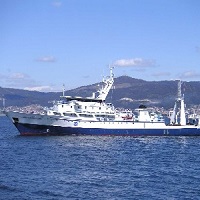
Cr. MPH-SARACUS 0488 - ref 303
-
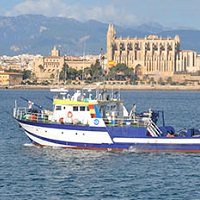
Cr. Perfiles - ref 305
-
Caracterizacion fisica, biogeoquimica y de produccion planctonica Estudio de los frentes costeros que delimitan los ambientes.
-
Oceanographic survey collected in the framework of the following research project: ¿Métodos de Producción de Huevos. Estimación de la biomasa de especies pelágicas de interés comercial: sardina, anchoa, caballa y jurel (ICTIOEVA)¿. This Project is funded by the Instituto Español de Oceanografía and the main scientific objective is to produce an index and a direct estimate of the biomass of the Northeast Atlantic mackerel stock and the southern and western horse mackerel stocks using the Annual Egg Production Method (AEPM). Specific aims:a) To estimate the spawning area distribution of mackerel and horse mackerel and the daily and total mackerel and horse mackerel egg production. b) To collect adults to obtain mackerel and horse mackerel gonads for atresia and fecundity estimation c) Distribution and abundance of other commercial species of interest: sardine, anchovy, hake, blue whiting.d) To describe the oceanographic and meteorological character of the area of study with the aim of relating environmental conditions (temperature, salinity, currents) with the spatial distribution of the ichthyoplankton
-
Caracterizacion fisica, biogeoquimica y de produccion planctonica Estudio de los frentes costeros que delimitan los ambientes.
-
Give an improved estiamtion of the abundance of pelagic fish present in the Mediterranean Sea waters in spring which is the spawning period for these fish species, but focussing in sardine and anchovy. Complementary to this main objective the survey design and strategies will allow the enviroment be characterised by recording differente variables (i. e. temperature, salinity, fluorescence, plankton, winds or air temperature) in vertical and horizontal profiles along the surveyed area with no noticeable extra-effort. As it was pointed out, these variables will help the acoustic estimations be improved whilst an extensive environment characterisation at the spawning time will be done.
-
Oceanographic survey collected in the framework of the following research project: ?Metodos de Produccion de Huevos. Estimacion de la biomasa de especies pelagicas de interes comercial: sardina, anchoa, caballa y jurel (ICTIOEVA)?. This Project is funded by the Instituto Espa?ol de Oceanografia and the main scientific objective is to produce an index and a direct estimate of the biomass of the Northeast Atlantic mackerel stock and the southern and western horse mackerel stocks using the Annual Egg Production Method (AEPM). Specific aims:a) To estimate the spawning area distribution of mackerel and horse mackerel and the daily and total mackerel and horse mackerel egg production. b) To collect adults to obtain mackerel and horse mackerel gonads for atresia and fecundity estimation c) Distribution and abundance of other commercial species of interest: sardine, anchovy, hake, blue whiting.d) To describe the oceanographic and meteorological character of the area of study with the aim of relating environmental conditions (temperature, salinity, currents) with the spatial distribution of the ichthyoplankton
-
Oceanographic survey collected in the framework of the following research project: ?Metodos de Produccion de Huevos. Estimacion de la biomasa de especies pelagicas de interes comercial: sardina, anchoa, caballa y jurel (ICTIOEVA)?. This Project is funded by the Instituto Espa?ol de Oceanografia and the main scientific objective is to produce an index and a direct estimate of the biomass of the Northeast Atlantic mackerel stock and the southern and western horse mackerel stocks using the Annual Egg Production Method (AEPM). Specific aims:a) To estimate the spawning area distribution of mackerel and horse mackerel and the daily and total mackerel and horse mackerel egg production. b) To collect adults to obtain mackerel and horse mackerel gonads for atresia and fecundity estimation c) Distribution and abundance of other commercial species of interest: sardine, anchovy, hake, blue whiting.d) To describe the oceanographic and meteorological character of the area of study with the aim of relating environmental conditions (temperature, salinity, currents) with the spatial distribution of the ichthyoplankton
-
Oceanographic survey collected in the framework of the following research project: 'Metodos de Produccion de Huevos. Estimacion de la biomasa de especies pelagicas de interes comercial: sardina, anchoa, caballa y jurel (ICTIOEVA)'. This Project is funded by the Instituto Español de Oceanografia and the main scientific objective is to produce an index and a direct estimate of the spawning stock biomass of Sardine (Sardine pilchardus) in the Cantabrian Sea and Bay of Biscay (to 45°N) using the Daily Egg Production Method (DEPM). Specific aims:a) To estimate the spawning area distribution of sardine and the daily egg production. b) To collect adults to obtain fecundity estimation c) Distribution and abundance of other commercial species of interest: mackerel, horse mackerel and anchovy.d) To describe the oceanographic and meteorological character of the area of study with the aim of relating environmental conditions (temperature, salinity, currents) with the spatial distribution of the ichthyoplankton
-
Abundance indices, distribution patterns and faunal assemblages of demersal species in the northern coast of Spain (Atlantic Galician shelf and Cantabrian sea shelf), together with the possible driving factors of their distribution. This survey belongs to the research project: ?Evaluacion de Recursos Demersales por Metodos Directos en el Area ICES?. This Project is partly funded by the DCR of the EU and the Education and Science Spanish Ministry.The main objectives of the above mentioned project related with this survey time series are: a) to obtain abundance indices of the main exploited species in the study area; b) to estimate the strength of yearly recruitments of these species and their distribution in the area. c) to study the structure and distribution o the demersal and benthic communities in the area.