 Catálogo de datos del IEO
Contact for the resource
IEO/ Vigo Oeanographic Centre
252 record(s)
Type of resources
Categories
Topics
INSPIRE themes
Keywords
Contact for the resource
Provided by
Years
Formats
Status
-
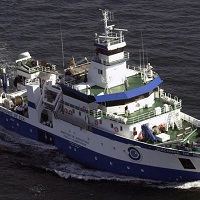
The main objective of this series of individual cruises is to produce both an index and a direct estimate of the biomass of the north east Atlantic mackerel stock and an index for the southern and western horse mackerel stocks. The general method is to quantify the freshly spawned eggs in the water column on the spawning grounds, report egg species identification and staging. To be able to establish a relationship between eggs and biomass of the spawning stock, the fecundity of the females must also be determined. The realised fecundity is used in combination with the calculated number of freshly spawned eggs in the water to render an estimate of the spawning stock biomass. To provide reliable estimates of the quantity of spawned eggs and the fecundity an extensive coverage of the spawning area is required both in time and space. Provide temperature data from the CTD casts will be used for the egg ageing procedure. Other environmental variables will be used for hydrographic and spawning area characterization.
-
The main objective of this series of individual cruises is to produce both an index and a direct estimate of the biomass of the north east Atlantic mackerel stock and an index for the southern and western horse mackerel stocks. The general method is to quantify the freshly spawned eggs in the water column on the spawning grounds. Report egg species identification and staging. To be able to establish a relationship between eggs and biomass of the spawning stock, the fecundity of the females must also be determined. The realised fecundity is used in combination with the calculated number of freshly spawned eggs in the water to render an estimate of the spawning stock biomass. To provide reliable estimates of the quantity of spawned eggs and the fecundity an extensive coverage of the spawning area is required both in time and space. Provide temperature data from the CTD casts will be used for the egg ageing procedure. Other environmental variables will be used for hydrographic and spawning area characterization.
-
The main objective of this series of individual cruises is to produce both an index and a direct estimate of the biomass of the north east Atlantic and Bay of Biscay sardine stock and an index for the southern and western sardine stocks. The general method is to quantify the freshly spawned eggs in the water column on the spawning grounds, report egg species identification and staging. To be able to establish a relationship between eggs and biomass of the spawning stock, the fecundity of the females must also be determined. The realised fecundity is used in combination with the calculated number of freshly spawned eggs in the water to render an estimate of the spawning stock biomass. To provide reliable estimates of the quantity of spawned eggs and the fecundity an extensive coverage of the spawning area is required both in time and space. Provide temperature data from the CTD casts will be used for the egg ageing procedure. Other environmental variables will be used for hydrographic and spawning area characterization.
-
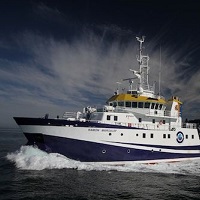
Acoustic estimates by echointegration of the strength of the anchovy and sardine recruitment off Portugal and south Galicia Oceanographic (physical -CTD- and biological _bongo nets)characterization of the surveyed area Charting the subsurface microplastic distribution along the surveyed area Charting the relative abundance of apical predator along the surveyed area Charting the subsurface sardine egg distribution along the surveyed area
-
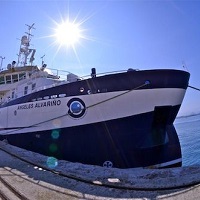
- Estimate the abundance of cetaceans in oceanic and shelf waters of the European Atlantic in 2016. - These estimates will give the necessary information to evaluate the good environmentla status and the conservation status of the main species of cetaceans in the Atlantic. - In addition these estimates are needed to evaluate the impact of the different anthropogenic pressures on the populations of these species.
-
Main objectives: Estímate egg abundance for mackerel and horse mackerel in surveyed area Estimate sardine spawning area in surveyed area by CUFES Collect mackerel adult samples to estimate adult parameters by pelagic trawls Secondary objectives: Estimate egg and larva abundances for sardine, anchovy, hake Measure the salinity , temperature depth in the water column using ctd
-
Main objectives: Estímate egg abundance for mackerel and horse mackerel in surveyed area Secondary objectives: Estimate egg and larva abundances for sardine, anchovy, hake Measure the salinity , temperature depth in the water column using ctd
-
Abundance indices, distribution patterns and faunal assemblages of demersal species in the Flemish Cap bank, together with the possible driving factors of their distribution. This survey belongs to the research project: 'Biología Pesquera pesquerías Lejanas'. This Project is partly funded by the DCR of the EU and the Education and Science Spanish Ministery. T The main objectives of the above mentioned project related with this survey time series are: a) to obtain abundance indices of the main exploited species in the Flemish Cap bank b) to estimate the strength of yearly recruitments of these species and their distribution in the bank. c) to study the structure and distribution o the demersal and benthic communities in the area
-

1. Estimation de l'abondance de les poissons pélagiques par echointegration de les eaux côtières sud de l'Europe. 2. Cartographie de l'are de distribution. 3. Estimation de la abondance des ouefs par enregistrementg en continue. 4. Etalonnage entre l'enregistrement en continue des ouefs et les classiques estations avec Pairovet. 5. Estimation de la biomasse fractionée (Mèthode CHN) de plankton. 6.Etude de les conditions oceanographiques et méteorologiques et sa rélation avec la distribution et abondance des oeufs et adultes des poissons pélagiques. 7. Hydrologie: Charactesisation des propietés termohalines des eaux sur le plateau continental. Mesure de profiles verticales de température, salinité et fluorescende dans des stations et acquisition de données de surface (thermosalinometrie, fluorescence, métèorologie). 8. Placton: Détermination des patrons de distribution de la diversité taxonomique et de la biomasse en différent classes de taille du plancton (phyto et zooplancton) dans la zone d'étude. 9. Cartographie de l'abondance des prédateurs
-
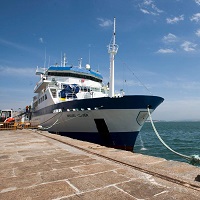
1. Calibration and testing transducers noise due to the change of their location. 2. To estimate the abundance of the main pelagic fish (sardines, anchovies, mackerel, mackerel, etc.) by the method of echo integration in the northern Spanish coast and map their range. 3. Determine the main biological characteristics of target fish species: age structure and length, length / weight ratio and maturity stage from sampling biological sardine, anchovy, mackerel, horse mackerel, horse mackerel, chub mackerel, blue whiting and hake. 4. Determine the size structure of all fish species caught. 5. Estimate the TS / length ratio of the target species 6. To estimate the relative abundance and mapped the distribution of sardine and anchovy eggs. 7. Characterization of the hydrological conditions of the survey area, especially thermohaline properties of the waters over the continental shelf. Measurement of vertical profiles of temperature, salinity and fluorescence in stations (CTD Casts) and acquisition of continuous sea surface data (ttemperature, salinity and fluorescence). 8. Study of the relationship of oceanographic and meteorological conditions with distribution and abundance of sardine eggs and adults. 9. Determine the distribution patterns of taxonomic diversity and biomass different size classes of plankton (pico-, phyto- and zooplankton) in the study area. 10. Characterize the horizontal and vertical distribution of plankton. Mapping biomass plankton size classes 11. Plankton biomass estimation, fractional and total. Studying the relationship between ichthyoplankton and plankton. 12. Estimate the natural abundance of N15 in sardine, anchovy, mackerel, and krill and myctophids to determine their trophic position. 13. Mapping the abundance of top predators 14. Map the relative abundance of anthropogenic sea surface microplastic 15. Estimate the strength of recruitment of anchovy and other species in the Cantabrian observed during the JUVENA campaign.