 Catálogo de datos del IEO
Keyword
shipboard incubators
26 record(s)
Type of resources
Categories
Topics
INSPIRE themes
Keywords
Contact for the resource
Provided by
Years
Formats
Status
-
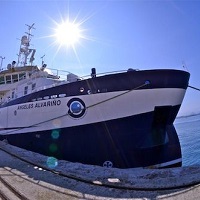
The goals of this campaign are framed within the objectives of the overall project 'Sevacan', being the experimental cruise of the proposal. Thus, this cruise will help to: • Determine the structure of the current when it reaches the Canary Islands, mass transport, heat and nutrients and interannual variability. • Characterize the different modes of variability of heat and mass transport in easternorth atlantic subtropical gyre. • To determine the correlation between heat and mass transport with the NAO atmospheric and oceanic index. • Characterize the annual cycle in the physical conditions of the surface layers and mixture to where the seasonal cycle is significant, relating it to the meteorological forcings. • Characterization of changes in water masses, mainly in the North Atlantic Central Water (NACW), in Antarctic Atlantic Intermediate Water (AAIW) in Mediterranean Water (MW) and bottom waters of the Canary Basin, in based on temperature, salinity, nutrients and oxygen.
-
The goals of this campaign are framed within the objectives of the overall project 'Radial Profunda de Canarias', being the experimental cruise of the proposal. Thus, this cruise will help to: • Determine the structure of the current when it reaches the Canary Islands, mass transport, heat and nutrients and interannual variability. • Characterize the different modes of variability of heat and mass transport in easternorth atlantic subtropical gyre. • To determine the correlation between heat and mass transport with the NAO atmospheric and oceanic index. • Characterize the annual cycle in the physical conditions of the surface layers and mixture to where the seasonal cycle is significant, relating it to the meteorological forcings. • Characterization of changes in water masses, mainly in the North Atlantic Central Water (NACW), in Antarctic Atlantic Intermediate Water (AAIW) in Mediterranean Water (MW) and bottom waters of the Canary Basin, in based on temperature, salinity, nutrients and oxygen. • Characterize the zooplankton in the waters of the Canary archipelago, including biomass, abundances and taxonomy, as well as its metabolism: respiration, growth, excretion, ingestion, etc.
-
The goals of this campaign are framed within the objectives of the overall project 'Radial Profunda de Canarias', being the experimental cruise of the proposal. Thus, this cruise will help to: • Determine the structure of the current when it reaches the Canary Islands, mass transport, heat and nutrients and interannual variability. • Characterize the different modes of variability of heat and mass transport in easternorth atlantic subtropical gyre. • To determine the correlation between heat and mass transport with the NAO atmospheric and oceanic index. • Characterize the annual cycle in the physical conditions of the surface layers and mixture to where the seasonal cycle is significant, relating it to the meteorological forcings. • Characterization of changes in water masses, mainly in the North Atlantic Central Water (NACW), in Antarctic Atlantic Intermediate Water (AAIW) in Mediterranean Water (MW) and bottom waters of the Canary Basin, in based on temperature, salinity, nutrients and oxygen. • Characterize phytoplankton and bacteria in three fractions: micro, nano and picoplankton in the waters of the Canary archipelago. • Characterize the zooplankton in the waters of the Canary archipelago, including biomass, abundances and taxonomy, as well as its metabolism: respiration, growth, excretion, ingestion, etc.
-
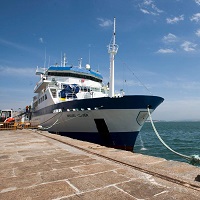
1. Calibration and testing transducers noise. 2. To estimate the abundance of the main pelagic fish (sardines, anchovies, mackerel, mackerel, etc.) by the method of echo integration in the northern Spanish coast and map their range. 3. Determine the main biological characteristics of target fish species: age structure and length, length / weight ratio and maturity stage from sampling biological sardine, anchovy, mackerel, horse mackerel, horse mackerel, chub mackerel, blue whiting and hake. 4. Determine the size structure of all fish species caught. 5. Estimate the TS / length ratio of the target species 6. To estimate the relative abundance and mapped the distribution of sardine and anchovy eggs. 7. Characterization of the hydrological conditions of the survey area, especially thermohaline properties of the waters over the continental shelf. Measurement of vertical profiles of temperature, salinity and fluorescence in stations (CTD Casts) and acquisition of continuous sea surface data (ttemperature, salinity and fluorescence). 8. Study of the relationship of oceanographic and meteorological conditions with distribution and abundance of sardine eggs and adults. 9. Determine the distribution patterns of taxonomic diversity and biomass different size classes of plankton (pico-, phyto- and zooplankton) in the study area. 10. Characterize the horizontal and vertical distribution of plankton. Mapping biomass plankton size classes 11. Plankton biomass estimation, fractional and total. Studying the relationship between ichthyoplankton and plankton. 12. Estimate the natural abundance of N15 in sardine, anchovy, mackerel, and krill and myctophids to determine their trophic position. 13. Mapping the abundance of top predators 14. Map the relative abundance of anthropogenic sea surface microplastic 15. Estimate the strength of recruitment of anchovy and other species in the Cantabrian observed during the JUVENA campaign.
-
1. Calibration and testing transducers noise due to the change of their location. 2. To estimate the abundance of the main pelagic fish (sardines, anchovies, mackerel, mackerel, etc.) by the method of echo integration in the northern Spanish coast and map their range. 3. Determine the main biological characteristics of target fish species: age structure and length, length / weight ratio and maturity stage from sampling biological sardine, anchovy, mackerel, horse mackerel, horse mackerel, chub mackerel, blue whiting and hake. 4. Determine the size structure of all fish species caught. 5. Estimate the TS / length ratio of the target species 6. To estimate the relative abundance and mapped the distribution of sardine and anchovy eggs. 7. Characterization of the hydrological conditions of the survey area, especially thermohaline properties of the waters over the continental shelf. Measurement of vertical profiles of temperature, salinity and fluorescence in stations (CTD Casts) and acquisition of continuous sea surface data (ttemperature, salinity and fluorescence). 8. Study of the relationship of oceanographic and meteorological conditions with distribution and abundance of sardine eggs and adults. 9. Determine the distribution patterns of taxonomic diversity and biomass different size classes of plankton (pico-, phyto- and zooplankton) in the study area. 10. Characterize the horizontal and vertical distribution of plankton. Mapping biomass plankton size classes 11. Plankton biomass estimation, fractional and total. Studying the relationship between ichthyoplankton and plankton. 12. Estimate the natural abundance of N15 in sardine, anchovy, mackerel, and krill and myctophids to determine their trophic position. 13. Mapping the abundance of top predators 14. Map the relative abundance of anthropogenic sea surface microplastic 15. Estimate the strength of recruitment of anchovy and other species in the Cantabrian.
-
1. Calibration and testing transducers noise. 2. To estimate the abundance of the main pelagic fish (sardines, anchovies, mackerel, etc.) by the method of echo integration in the northern Spanish coast and map their range. 3. Determine the main biological characteristics of target fish species: age structure and length, length / weight ratio and maturity stage from sampling biological sardine, anchovy, mackerel, horse mackerel, horse mackerel, chub mackerel, blue whiting and hake. 4. Determine the size structure of all fish species caught. 5. Estimate the TS / length ratio of the target species 6. To estimate the relative abundance and mapped the distribution of sardine and anchovy eggs. 7. Characterization of the hydrological conditions of the survey area, especially thermohaline properties of the waters over the continental shelf. Measurement of vertical profiles of temperature, salinity and fluorescence in stations (CTD Casts) and acquisition of continuous sea surface data (ttemperature, salinity and fluorescence). 8. Study of the relationship of oceanographic and meteorological conditions with distribution and abundance of sardine eggs and adults. 9. Determine the distribution patterns of taxonomic diversity and biomass different size classes of plankton (pico-, phyto- and zooplankton) in the study area. 10. Characterize the horizontal and vertical distribution of plankton. Mapping biomass plankton size classes 11. Plankton biomass estimation, fractional and total. Studying the relationship between ichthyoplankton and plankton. 12. Estimate the natural abundance of N15 in sardine, anchovy, mackerel, and krill and myctophids to determine their trophic position. 13. Mapping the abundance of top predators 14. Map the relative abundance of anthropogenic sea surface microplastic 15. Estimate the strength of recruitment of anchovy and other species in the Cantabrian observed during the JUVENA campaign. 16. Estimate blue whiting biomass in Porcupine Seabight in coordination with the other nations performing the International Blue Whiting Spring Survey (IBWSS).
-
1. Calibration and testing transducers noise. 2. To estimate the abundance of the main pelagic fish (sardines, anchovies, mackerel, mackerel, etc.) by the method of echo integration in the northern Spanish coast and map their range. 3. Determine the main biological characteristics of target fish species: age structure and length, length / weight ratio and maturity stage from sampling biological sardine, anchovy, mackerel, horse mackerel, horse mackerel, chub mackerel, blue whiting and hake. 4. Determine the size structure of all fish species caught. 5. Estimate the TS / length ratio of the target species 6. To estimate the relative abundance and mapped the distribution of sardine and anchovy eggs. 7. Characterization of the hydrological conditions of the survey area, especially thermohaline properties of the waters over the continental shelf. Measurement of vertical profiles of temperature, salinity and fluorescence in stations (CTD Casts) and acquisition of continuous sea surface data (ttemperature, salinity and fluorescence). 8. Study of the relationship of oceanographic and meteorological conditions with distribution and abundance of sardine eggs and adults. 9. Determine the distribution patterns of taxonomic diversity and biomass different size classes of plankton (pico-, phyto- and zooplankton) in the study area. 10. Characterize the horizontal and vertical distribution of plankton. Mapping biomass plankton size classes 11. Plankton biomass estimation, fractional and total. Studying the relationship between ichthyoplankton and plankton. 12. Estimate the natural abundance of N15 in sardine, anchovy, mackerel, and krill and myctophids to determine their trophic position. 13. Mapping the abundance of top predators 14. Map the relative abundance of anthropogenic sea surface microplastic 15. Estimate the strength of recruitment of anchovy and other species in the Cantabrian observed during the JUVENA campaign.
-
1. Calibration and testing transducers noise due to the change of their location. 2. To estimate the abundance of the main pelagic fish (sardines, anchovies, horse mackerel, mackerel, etc.) by the method of echo integration in the northern Spanish coast and map their range. 3. Determine the main biological characteristics of target fish species: age structure and length, length / weight ratio and maturity stage from sampling biological sardine, anchovy, mackerel, horse mackerel, horse mackerel, chub mackerel, blue whiting and hake. 4. Determine the size structure of all fish species caught. 5. Estimate the TS / length ratio of the target species 6. To estimate the relative abundance and mapped the distribution of sardine and anchovy eggs. 7. Characterization of the hydrological conditions of the survey area, especially thermohaline properties of the waters over the continental shelf. Measurement of vertical profiles of temperature, salinity and fluorescence in stations (CTD Casts) and acquisition of continuous sea surface data (ttemperature, salinity and fluorescence). 8. Study of the relationship of oceanographic and meteorological conditions with distribution and abundance of sardine eggs and adults. 9. Determine the distribution patterns of taxonomic diversity and biomass different size classes of plankton (pico-, phyto- and zooplankton) in the study area. 10. Characterize the horizontal and vertical distribution of plankton. Mapping biomass plankton size classes 11. Plankton biomass estimation, fractional and total. Studying the relationship between ichthyoplankton and plankton. 12. Estimate the natural abundance of N15 in sardine, anchovy, mackerel, and krill and myctophids to determine their trophic position. 13. Mapping the abundance of top predators 14. Map the relative abundance of anthropogenic sea surface microplastic 15. Estimate the strength of recruitment of anchovy and other species in the Cantabrian observed during the JUVENA campaign.
-
1. Calibration and testing transducers noise due to the change of their location. 2. To estimate the abundance of the main pelagic fish (sardines, anchovies, mackerel, mackerel, etc.) by the method of echo integration in the northern Spanish coast and map their range. 3. Determine the main biological characteristics of target fish species: age structure and length, length / weight ratio and maturity stage from sampling biological sardine, anchovy, mackerel, horse mackerel, horse mackerel, chub mackerel, blue whiting and hake. 4. Determine the size structure of all fish species caught. 5. Estimate the TS / length ratio of the target species 6. To estimate the relative abundance and mapped the distribution of sardine and anchovy eggs. 7. Characterization of the hydrological conditions of the survey area, especially thermohaline properties of the waters over the continental shelf. Measurement of vertical profiles of temperature, salinity and fluorescence in stations (CTD Casts) and acquisition of continuous sea surface data (ttemperature, salinity and fluorescence). 8. Study of the relationship of oceanographic and meteorological conditions with distribution and abundance of sardine eggs and adults. 9. Determine the distribution patterns of taxonomic diversity and biomass different size classes of plankton (pico-, phyto- and zooplankton) in the study area. 10. Characterize the horizontal and vertical distribution of plankton. Mapping biomass plankton size classes 11. Plankton biomass estimation, fractional and total. Studying the relationship between ichthyoplankton and plankton. 12. Estimate the natural abundance of N15 in sardine, anchovy, mackerel, and krill and myctophids to determine their trophic position. 13. Mapping the abundance of top predators 14. Map the relative abundance of anthropogenic sea surface microplastic 15. Estimate the strength of recruitment of anchovy and other species in the Cantabrian observed during the JUVENA campaign.
-
1. Calibration and testing transducers noise. 2. To estimate the abundance of the main pelagic fish (sardines, anchovies, mackerel, etc.) by the method of echo integration in the northern Spanish coast and map their range. 3. Determine the main biological characteristics of target fish species: age structure and length, length / weight ratio and maturity stage from sampling biological sardine, anchovy, mackerel, horse mackerel, horse mackerel, chub mackerel, blue whiting and hake. 4. Determine the size structure of all fish species caught. 5. Estimate the TS / length ratio of the target species 6. To estimate the relative abundance and mapped the distribution of sardine and anchovy eggs. 7. Characterization of the hydrological conditions of the survey area, especially thermohaline properties of the waters over the continental shelf. Measurement of vertical profiles of temperature, salinity and fluorescence in stations (CTD Casts) and acquisition of continuous sea surface data (ttemperature, salinity and fluorescence). 8. Study of the relationship of oceanographic and meteorological conditions with distribution and abundance of sardine eggs and adults. 9. Determine the distribution patterns of taxonomic diversity and biomass different size classes of plankton (pico-, phyto- and zooplankton) in the study area. 10. Characterize the horizontal and vertical distribution of plankton. Mapping biomass plankton size classes 11. Plankton biomass estimation, fractional and total. Studying the relationship between ichthyoplankton and plankton. 12. Estimate the natural abundance of N15 in sardine, anchovy, mackerel, and krill and myctophids to determine their trophic position. 13. Mapping the abundance of top predators 14. Map the relative abundance of anthropogenic sea surface microplastic 15. Estimate the strength of recruitment of anchovy and other species in the Cantabrian observed during the JUVENA campaign. 16. Estimate blue whiting biomass in Porcupine Seabight in coordination with the other nations performing the International Blue Whiting Spring Survey (IBWSS).